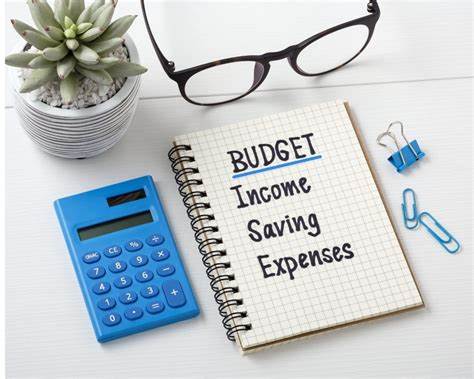

A budget is a financial plan that outlines an individual’s or organization’s income and expenses over a specific period, typically monthly or annually. It serves as a roadmap for managing money, allocating funds to various categories such as housing, food, transportation, entertainment, savings, and debt repayment. Budgets help individuals and organizations prioritize spending, track expenses, and make informed financial decisions to achieve their financial goals. By comparing actual spending to the budgeted amounts, individuals and organizations can assess their financial health and make adjustments as needed to stay on track.
Budgeting Steps for Beginners
- Face the Facts: Alright, let’s start by facing the music – what’s your financial situation? How much money do you have coming in, and how much is going out? Take a look at your income – your salary, any side hustles, or any other sources of cash. Then, tally up your expenses – rent, groceries, bills, Netflix subscription (hey, it counts!). Write it all down or use an app to track it. Seeing it all laid out is the first step to taking control.
- Set Some Goals: Now that you know where you stand, it’s time to think about where you want to go. What are your financial goals? Maybe you want to save up for a vacation, pay off your student loans, or finally buy that fancy espresso machine you’ve been eyeing. Whatever it is, write it down and put a price tag on it. Having clear goals will keep you motivated when things get tough.
- Create Your Budget: Here’s where the magic happens – creating your budget. Start by listing all your essential expenses – things like rent, utilities, groceries, and transportation. These are the things you can’t live without. Then, allocate a portion of your income to each category. Be realistic – if you’re spending $500 a month on groceries, don’t budget $200. That’s just setting yourself up for failure.
- Track Your Spending: Budgeting isn’t a set-it-and-forget-it kind of deal – it requires constant attention. Make it a habit to track your spending regularly. You can use apps like Mint or YNAB to help you stay on top of things. The key here is to stay accountable – if you overspend in one category, adjust your budget accordingly. It’s all about finding the right balance.
- Cut Costs Where You Can: Now comes the fun part – finding ways to save money! Take a look at your expenses and see where you can cut back. Maybe you can cancel that gym membership you never use or cook at home instead of ordering takeout every night. Small changes can add up to big savings over time.
- Build an Emergency Fund: Life is full of surprises – and not all of them are good. That’s why it’s important to have an emergency fund to fall back on. Aim to save up at least three to six months’ worth of expenses in case of a rainy day. Start small if you have to – even setting aside $20 a week can add up over time.
- Celebrate Your Wins: Budgeting isn’t always easy, but it’s definitely worth it. So, don’t forget to celebrate your victories along the way. Did you stick to your budget this month? Treat yourself to a little something special. It’s all about finding balance and enjoying the journey.
Remember, budgeting is a marathon, not a sprint. It’s okay to stumble along the way – what’s important is that you keep moving forward. So, take a deep breath, roll up your sleeves, and let’s get started on this budgeting journey together. You’ve got this!
Budgeting Tools for Beginners
- Excel or Google Sheets: These spreadsheet programs are versatile and can be customized to create a personalized budget. You can use pre-made budget templates or create your own from scratch. List your income, expenses, and savings goals, and track your spending over time. Excel and Google Sheets also offer various formulas and functions to help with calculations and analysis.
- Budgeting Apps: There are several budgeting apps available for both mobile devices and desktops that can streamline the budgeting process. Some popular options include Mint, YNAB (You Need a Budget), and Personal Capital. These apps sync with your bank accounts and credit cards to automatically categorize transactions, track spending, and provide insights into your financial habits.
- Envelope System: This is a simple yet effective budgeting method where you allocate cash to different categories (envelopes) such as groceries, transportation, and entertainment. Once the cash in an envelope is spent, you stop spending in that category until the next budget period. This method helps you visualize your spending and prevents overspending in certain areas.
- Pen and Paper: Sometimes, the old-fashioned way is the best way. Grab a notebook or a piece of paper and jot down your income, expenses, and savings goals. Write down your budget for each category and track your spending manually throughout the month. This method requires discipline but can be effective for those who prefer a hands-on approach.
- Online Budgeting Tools: Many banks and financial institutions offer online budgeting tools as part of their online banking platforms. These tools allow you to categorize transactions, set spending limits, and track your progress towards your financial goals. Check if your bank offers any budgeting tools and take advantage of them to manage your finances more effectively.
- Budgeting Workbooks: If you prefer a structured approach to budgeting, consider using a budgeting workbook or planner. These resources provide prompts, worksheets, and exercises to help you create a comprehensive budget and stick to it. Look for budgeting workbooks available online or at your local bookstore to kickstart your budgeting journey.
Remember, the key to successful budgeting is finding a method and tool that works for you and sticking with it consistently. Experiment with different tools and approaches until you find the one that fits your lifestyle and financial goals the best. Happy budgeting!
Monthly Budget Template
Income:
Salary/Wages: [Enter Amount]
Side Hustle: [Enter Amount]
Other Income: [Enter Amount]
Expenses:
Housing:
Rent/Mortgage: [Enter Amount]
Utilities (Electricity, Water, Gas, etc.): [Enter Amount]
Home Insurance: [Enter Amount]
Transportation:
Car Payment: [Enter Amount]
Gasoline: [Enter Amount]
Public Transport: [Enter Amount]
Food:
Groceries: [Enter Amount]
Dining Out: [Enter Amount]
Debt Payments:
Student Loans: [Enter Amount]
Credit Card Payments: [Enter Amount]
Entertainment:
Streaming Services (Netflix, Spotify, etc.): [Enter Amount]
Dining Out/Entertainment: [Enter Amount]
Personal Care:
Health Insurance: [Enter Amount]
Medical Expenses: [Enter Amount]
Toiletries: [Enter Amount]
Savings:
Emergency Fund: [Enter Amount]
Retirement Savings: [Enter Amount]
Other Savings Goals: [Enter Amount]
Miscellaneous:
Clothing: [Enter Amount]
Gifts/Donations: [Enter Amount]
Other: [Enter Amount]
Totals:
Total Income: [Formula: Sum of all income sources]
Total Expenses: [Formula: Sum of all expense categories]
Net Income (Income – Expenses): [Formula: Total Income – Total Expenses]
Budget Summary:
Income Minus Expenses: [Formula: Total Income – Total Expenses]
Percentage of Income Spent: [Formula: (Total Expenses / Total Income) * 100%]
Percentage of Income Saved: [Formula: ((Total Income – Total Expenses) / Total Income) * 100%]
Leave a Reply